Supplements and Diabetes Medication: What to Check
If you take medication for blood sugar, adding a supplement is a decision with more consequence than in almost any other category. Here is what to check and why.
The core issue: additive effects
Medication for type 2 diabetes works by lowering blood glucose, through various mechanisms. Many supplement ingredients marketed for blood sugar are marketed precisely because they too may affect glucose.
Taken together, those effects can add. The result can be blood glucose falling further than intended — hypoglycaemia — which is a problem in its own right.
This is not the same as saying never combine them
People take supplements alongside diabetes medication with medical supervision routinely. The point is that it needs to be a supervised decision, potentially with more frequent monitoring or an adjustment. What it should not be is a decision made alone and unmentioned at the next appointment.
Which medications matter most
Sulfonylureas such as gliclazide or glipizide stimulate insulin release and carry a meaningful hypoglycaemia risk on their own. Adding anything glucose-lowering warrants particular care.
Insulin — the same logic, more directly.
Metformin is less likely to cause hypoglycaemia alone, but combinations still need discussing.
Newer agents including GLP-1 receptor agonists and SGLT2 inhibitors have their own considerations, and some are frequently used alongside the above.
The second interaction route people miss
Some supplement ingredients — berberine prominently among them — affect the enzymes and transporters your body uses to process medicines generally.
This can change the blood levels of drugs entirely unrelated to diabetes. Your prescription has not changed; how much of it stays in circulation may have. It matters most for medicines where the effective and harmful doses sit close together.
This is exactly the sort of question a pharmacist answers well and a website cannot.
Knowing the signs of low blood sugar
Shakiness. Sweating. Sudden hunger. Dizziness. Fast heartbeat. Confusion, irritability or difficulty concentrating. Tingling lips. Blurred vision.
Severe hypoglycaemia — confusion preventing self-treatment, seizure, or loss of consciousness — is an emergency. Anyone at risk should have a plan agreed with their care team, and the people around them should know about it.
How to have the pharmacist conversation
Bring the actual product or a photograph of the Supplement Facts panel, not the marketing page. Bring a full list of everything you take, prescription and otherwise.
Useful questions:
- Does anything in this interact with what I take?
- Should I monitor my glucose more often if I start it?
- Are any of my medicines particularly sensitive to interaction?
- What symptoms should make me stop and call someone?
It is free, it takes a few minutes, and it is what pharmacists are trained for.
Tell your care team either way
Supplements are frequently left off medication histories because nobody prescribed them. That omission is how avoidable problems start. If your readings change, your team needs to know what changed in order to interpret it.
The rule that covers most of it
Add, never replace. A supplement can sit alongside your treatment with your team's knowledge. It must never quietly take the place of a medication, a test or an appointment — and improving readings are a reason to talk to your doctor about adjusting treatment properly, not a reason to adjust it yourself.
Sources
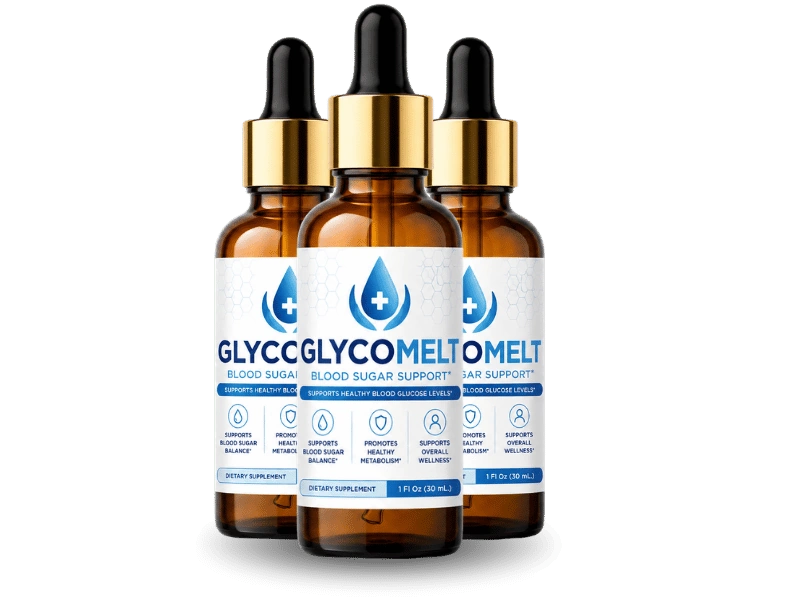
Pricing, and What to Settle First
Some readers will weigh all of this and decide to try it anyway, which is a legitimate choice to make with the facts in hand. Our pricing page carries the current figures, the claims we could not verify, and the medication conversations to have before you start.
Pricing and Safety Checks →