Green Tea Extract: Beverage and Extract Are Not the Same
The most important thing to understand about green tea extract is that it is a different proposition from green tea, and the safety profile differs accordingly.
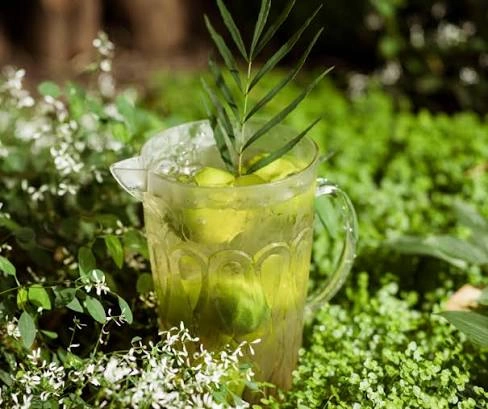
What it is
A concentrated extract of Camellia sinensis leaves. Its active compounds are catechins, of which EGCG — epigallocatechin gallate — is the most studied.
What the research covers
Green tea catechins have genuine antioxidant activity and have been studied across a wide range of areas including metabolic parameters, body composition and cardiovascular measures. Some studies suggest modest effects on glucose or insulin measures; results are mixed and effect sizes are generally small.
Drinking green tea as part of a normal diet is uncontroversially fine and is associated with reasonable health outcomes in population studies. That is not the same evidence as evidence for concentrated extracts.
The liver caution
Concentrated green tea extracts have been associated with rare cases of liver injury, in a way that drinking green tea has not. The cases are uncommon, and they are real and documented.
Risk appears higher with high-dose extracts, particularly taken on an empty stomach. Symptoms worth acting on include unusual fatigue, nausea, loss of appetite, abdominal pain, dark urine, or yellowing of the skin or eyes. If those appear, stop and see a doctor.
Why the missing dose matters here
This is the ingredient where an unpublished amount carries the most direct safety consequence rather than only a value one. The liver concern is dose-related. Without a published figure, there is no way to know whether this product contains a token amount of green tea extract or a substantial one.
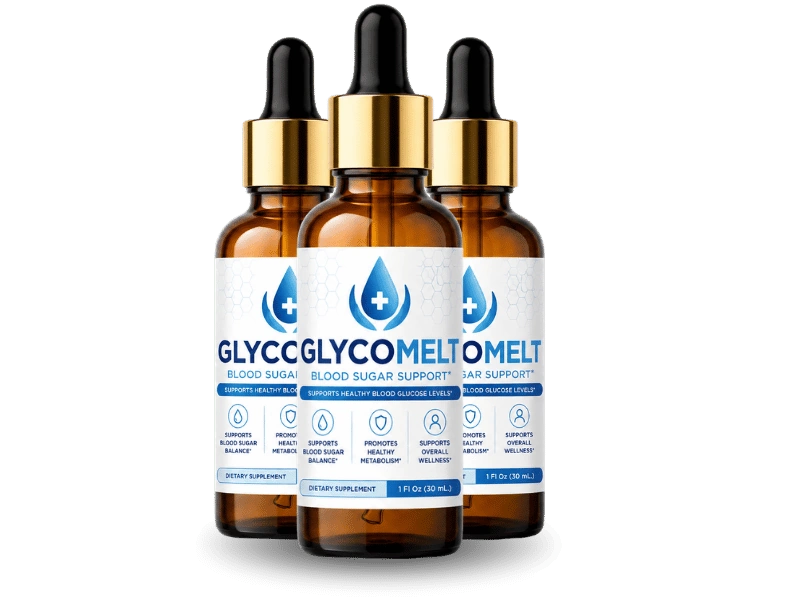
The 30 ml bottle size and the number of ingredients sharing it make a very high dose seem unlikely, but that is inference rather than information.
Caffeine
Green tea extracts vary considerably in caffeine content — some are decaffeinated, others are not, and the reference page does not say. Anyone sensitive to caffeine, or taking it into account for other reasons, has no way to establish this from the published material.
Other interactions
- Anticoagulants. Green tea contains vitamin K and has been discussed in relation to warfarin.
- Iron absorption. Catechins can reduce non-haem iron absorption, which matters for anyone managing low iron.
- Stimulant effects. If the extract retains caffeine, the usual considerations apply.
The summary
A reasonable ingredient with real research, carrying a genuine if uncommon safety consideration that is dose-dependent — in a product that does not publish its dose.
Sources
Also on the panel
Pricing, and What to Settle First
Some readers will weigh all of this and decide to try it anyway, which is a legitimate choice to make with the facts in hand. Our pricing page carries the current figures, the claims we could not verify, and the medication conversations to have before you start.
Pricing and Safety Checks →