Ginseng: Which One, and at What Dose?
Ginseng raises a question before any discussion of evidence can begin: which ginseng?
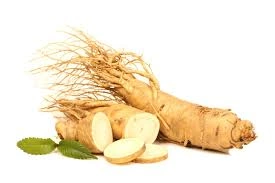
The species question
Several distinct plants are sold as ginseng and they are not interchangeable.
Asian or Korean ginseng (Panax ginseng) is the most traditionally used and generally regarded as the more stimulating.
American ginseng (Panax quinquefolius) is a different species with a different ginsenoside profile, and is the one most often studied specifically in relation to blood glucose.
Siberian ginseng (Eleutherococcus senticosus) is not a true ginseng at all — a different genus entirely, with different constituents.
The reference page says only "Ginseng Root." For an ingredient where the species meaningfully changes both the evidence and the effects, that is a real gap, and it sits alongside the missing amount rather than being a separate complaint.
What the research covers
Ginseng is classed as an adaptogen, a loosely defined category of botanicals proposed to help the body cope with stress. The evidence for the general adaptogen concept is mixed, though there is reasonable research on ginseng for fatigue and cognitive measures.
On blood glucose specifically, American ginseng has been studied with some encouraging results, though studies are generally small and vary in preparation and dose.
Safety
- Anticoagulants. Ginseng has documented interactions with warfarin and is worth flagging with a pharmacist.
- Glucose-lowering medication. Possible additive effects on blood glucose.
- Stimulant effects. Some people find Asian ginseng affects sleep, particularly taken later in the day.
- Blood pressure. Effects have been reported in both directions; worth monitoring if you have hypertension.
- Hormone-sensitive conditions. Some ginsenosides have been discussed in relation to oestrogenic activity; medical advice is sensible.
A note on the energy claim
Improved energy is among the most common things people report from supplements containing ginseng, and it is also among the hardest to attribute. Energy is subjective, fluctuates with sleep and stress, and responds strongly to expectation. If a product also contains caffeine from an undeclared green tea extract, that complicates attribution further.
The summary
A legitimate botanical with a genuine if modest evidence base, included here without stating which species is used or how much — two pieces of information that would be needed to say anything more specific.
Sources
Also on the panel
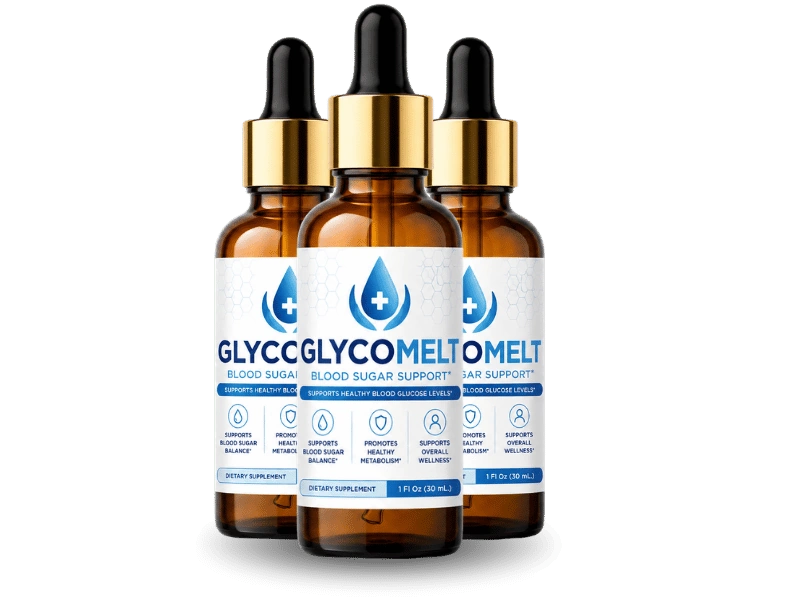
Pricing, and What to Settle First
Some readers will weigh all of this and decide to try it anyway, which is a legitimate choice to make with the facts in hand. Our pricing page carries the current figures, the claims we could not verify, and the medication conversations to have before you start.
Pricing and Safety Checks →