Every Named Ingredient, and What Is Missing
Sixteen ingredients are named across the sales page. Every one of them carries the same figure in the amount column: not stated.
Before the list
Because no Supplement Facts panel is published, we cannot tell you which of these is present in a meaningful quantity, which is present in a trace, or whether the final list matches any of the five published versions. The panel is required on the physical bottle — check it on arrival.
Named Across Five Different Lists
| Ingredient | Described as | Amount | Appears in |
|---|---|---|---|
| Gymnema Sylvestre | Blood sugar botanical | Not stated | All five |
| Berberine | Plant alkaloid | Not stated | All five |
| Chromium Picolinate | Trace mineral | Not stated | All five |
| Coleus Forskohlii | Botanical extract | Not stated | Four of five |
| Ginseng Root | Adaptogen | Not stated | All five |
| Maca Root | Botanical | Not stated | Four of five |
| African Mango Seed | Botanical | Not stated | Four of five |
| Green Tea Leaf Extract | Antioxidant botanical | Not stated | All five |
| Astragalus | Traditional botanical | Not stated | Three of five |
| Grape Seed Extract | Antioxidant | Not stated | Two of five |
| Grapefruit Seed Extract | Listed separately in two places | Not stated | Two of five |
| L-Glutamine | Amino acid | Not stated | One of five |
| L-Arginine | Amino acid | Not stated | One of five |
| L-Carnitine | Amino acid derivative | Not stated | One of five |
| L-Tyrosine | Amino acid | Not stated | Two of five |
The right-hand column is the one worth studying. A formula's ingredient list should not vary depending on which paragraph of the sales page you read.
On grape seed versus grapefruit seed: these come from different plants. The numbered ingredient list names grapefruit seed extract; the mechanism section names grape seed extract; the benefits section names both as separate ingredients. The manufacturer's own ingredient photography shows grapes and grape seeds, which is the strongest indication that grape seed is intended. We cannot confirm it, and anyone with a citrus allergy should ask the manufacturer directly.
Six Worth Understanding
Chosen because they carry the most evidence, the most risk, or the most marketing weight.
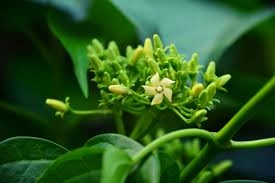
Gymnema Sylvestre
Blood sugar botanicalTraditionally called the sugar destroyer, with early research on glucose absorption and sweet taste perception. Amount here unstated.
What the evidence says →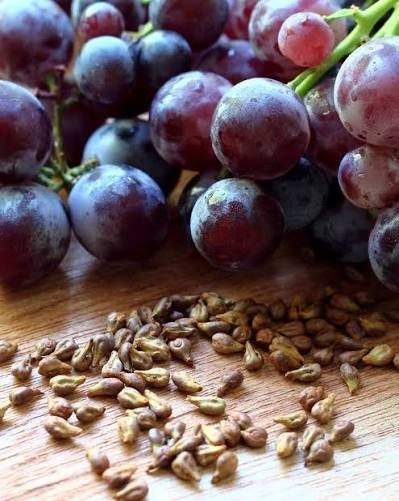
Berberine
The one to discuss with a pharmacistThe most substantially researched ingredient in the formula, and the one with the widest interaction profile. Amount unstated.
What the evidence says →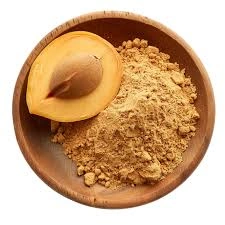
Chromium Picolinate
Essential trace mineralA genuine nutrient with an established role in carbohydrate metabolism — and a manufactured compound, which complicates the 100% natural claim.
What the evidence says →
Green Tea Leaf Extract
Antioxidant botanicalCatechins with real antioxidant research behind them, and a liver caution that applies to concentrated extracts rather than to the beverage.
What the evidence says →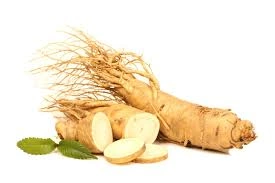
Ginseng Root
AdaptogenWidely used for energy and stress adaptation, with some metabolic research and a documented anticoagulant interaction.
What the evidence says →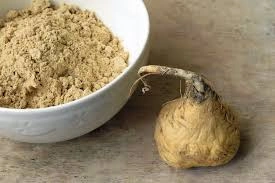
African Mango Seed
Weight management botanicalMarketed heavily for weight management on the strength of a small evidence base that has not held up especially well.
What the evidence says →The Ingredients We Have Not Given Pages To
Coleus Forskohlii. Contains forskolin, which raises a general-purpose cellular messenger. Its research base sits mainly in glaucoma, asthma and body composition rather than blood sugar. It lowers blood pressure, which matters if you take antihypertensives or nitrates.
Maca Root. A Peruvian root used traditionally for energy and stamina. Its research is mostly in other areas entirely, and its connection to glucose metabolism is not well established.
Astragalus. A traditional Chinese medicine botanical, usually discussed in relation to immune function. Generally well tolerated; the blood sugar evidence is preliminary.
Grape Seed Extract. Rich in proanthocyanidins with genuine antioxidant activity and some cardiovascular research. May have mild antiplatelet effects, worth mentioning if you take anticoagulants.
L-Glutamine, L-Arginine, L-Carnitine, L-Tyrosine. Four amino acids or derivatives with distinct roles — gut and immune metabolism, nitric oxide production, fat transport into mitochondria, and neurotransmitter precursor respectively. Each has been studied, generally at gram-level doses. Whether meaningful amounts can fit alongside eleven botanicals in a 30 ml dropper bottle is precisely the sort of question a published panel would answer.
The volume question
This is worth stating plainly. A 1 fl oz bottle is 30 ml in total. Amino acids in research are typically studied at doses measured in grams per day. Sixteen ingredients sharing a liquid volume that size raises an obvious question about how much of each can be present — and it is a question the published information does not allow anyone to answer either way.
Sources
What GlycoMelt Costs
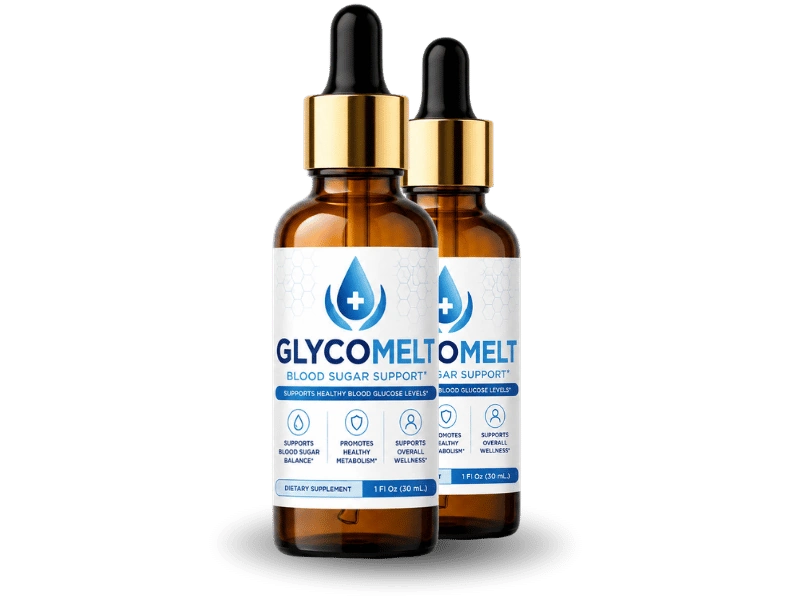
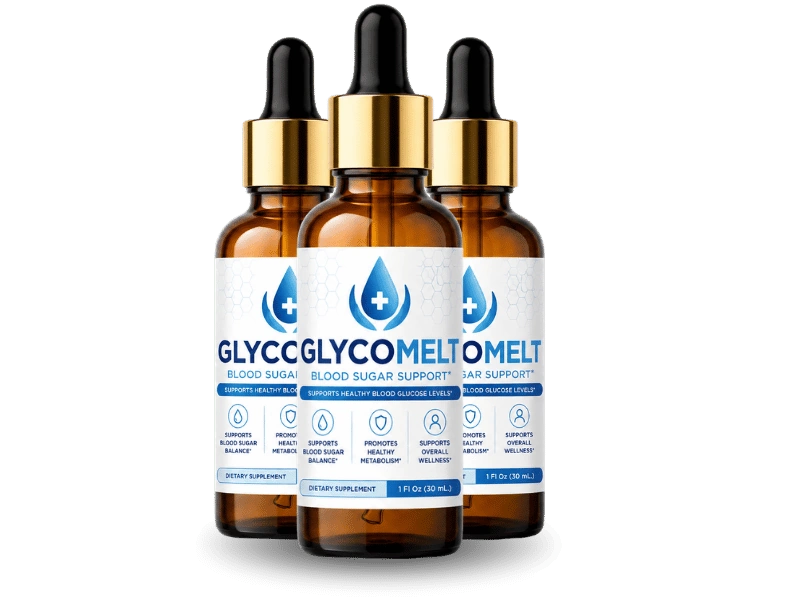
Priced by the seller and fulfilled through their own checkout. The advertised per-bottle price falls sharply with kit size, so read the total on screen before confirming.
- Lowest per-bottle rate
- Includes the 5 digital bonuses
- 60-day guarantee
Struck-through figures are the seller's own stated reference prices and are not evidence of a saving. "See Details" opens our pricing page, which links to the official checkout. We may earn a commission at no extra cost to you. GlycoMelt is a dietary supplement and is not intended to diagnose, treat, cure or prevent any disease.
Pricing, and What to Settle First
Some readers will weigh all of this and decide to try it anyway, which is a legitimate choice to make with the facts in hand. Our pricing page carries the current figures, the claims we could not verify, and the medication conversations to have before you start.
Pricing and Safety Checks →