Frequently Asked Questions
Ordered roughly by how much each answer should weigh on the decision — starting with the safety questions.
The two answers that matter most
On safety: if you take glucose-lowering medication, speak to your doctor or pharmacist before adding this or any similar supplement, and never adjust prescribed medication yourself. On the product: no ingredient amount is published anywhere, so the formula cannot be assessed from the sales page.
That is a question for your doctor or pharmacist, and it should be settled before you order. Berberine, Gymnema and chromium may all lower blood glucose, so combining them with glucose-lowering medication can add to that effect and increase hypoglycaemia risk. It is not necessarily unsafe — it needs supervising, and possibly more frequent monitoring.
Nobody can tell you from the published information. No Supplement Facts panel appears on the reference sales page, no serving size is stated, and no amount is given for any of the sixteen-plus named ingredients. The panel is required on the physical bottle, so check it when it arrives.
No, and no dietary supplement is. There is no FDA approval process for supplements — they are not reviewed for safety or efficacy before sale, which is the main regulatory difference between supplements and medicines. The reference site's FDA approval claim is incorrect.
No, and this is the most important answer here. Never reduce or stop prescribed medication because a supplement appears to be helping. If your readings improve, that is a reason to speak to your care team so any adjustment is made properly and safely.
We cannot say, and neither can anyone else from what is published, because the ingredient amounts are unknown. Some named ingredients have research behind them at particular doses; without knowing the doses here, no comparison with that research is possible. A supplement also may not lawfully claim to lower blood sugar in a diagnosed condition.
Because it has the most substantial research of anything in the formula and the widest interaction profile. It affects the enzymes your body uses to process many unrelated medicines, which can change their levels. It is also generally avoided in pregnancy and breastfeeding.
Berberine is generally advised against in pregnancy and breastfeeding, and several other ingredients have insufficient safety data. This is not a supplement to take at those times without medical advice.
That claim is hard to sustain. Chromium picolinate is a manufactured compound, and free-form amino acids such as L-Carnitine and L-Tyrosine are produced industrially. Both are ordinary supplement ingredients — they are simply not accurately described as natural.
The sales page says both, in different sections, and in one place lists them as separate ingredients. They come from different plants. The manufacturer's own ingredient photography shows grape seeds, which suggests grape seed is intended — but if you have a citrus allergy or take medication where grapefruit is a concern, ask the manufacturer for written confirmation.
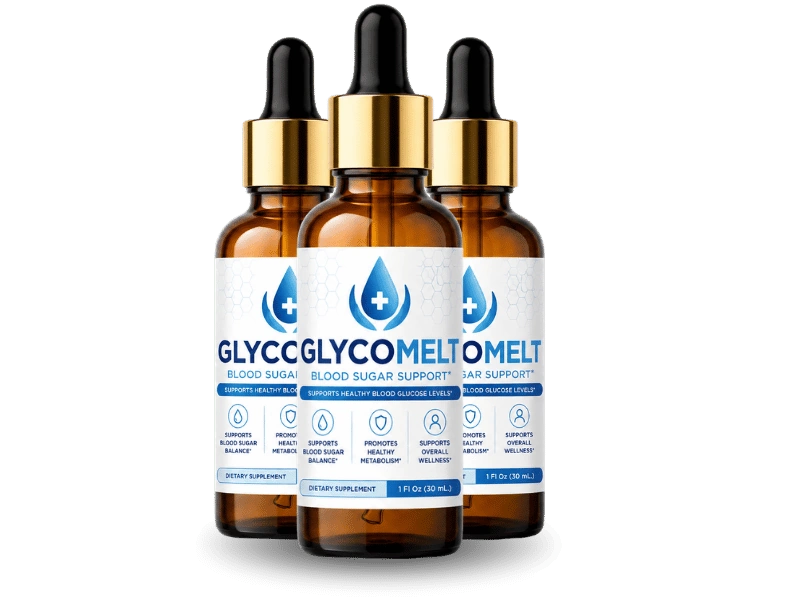
A liquid supplement in a 1 fl oz (30 ml) dropper bottle. The reference page describes it as once-daily but does not state a serving size, so follow the directions printed on the bottle you receive.
Not stated. It contains green tea extract, which may or may not be decaffeinated — the page does not say, and without a panel there is no way to establish it.
The reference site advertises $49 per bottle against a stated regular price of $179, with the six-bottle kit described as $780 off, working out at $294 with free shipping. We found no evidence of sales at $179, so we treat that as a reference figure rather than a genuine former price.
Sixty days from purchase, described as no-questions-asked, requested by emailing the seller's support address, with no return of product required. That is more generous than most guarantees in this category. Confirm whether the window runs from purchase or delivery before ordering.
We cannot say. There is no linked platform where they can be read and no way to confirm the named individuals exist. One checkable detail: the three testimonial photographs are served under filenames referencing a different product name, so those images were not created for this page.
A photograph of the Supplement Facts panel from a purchased bottle. It would establish the real ingredient list, the amounts, the serving size and the servings per bottle — which is nearly everything this guide has had to leave open.
Sources
What GlycoMelt Costs
Priced by the seller and fulfilled through their own checkout. The advertised per-bottle price falls sharply with kit size, so read the total on screen before confirming.
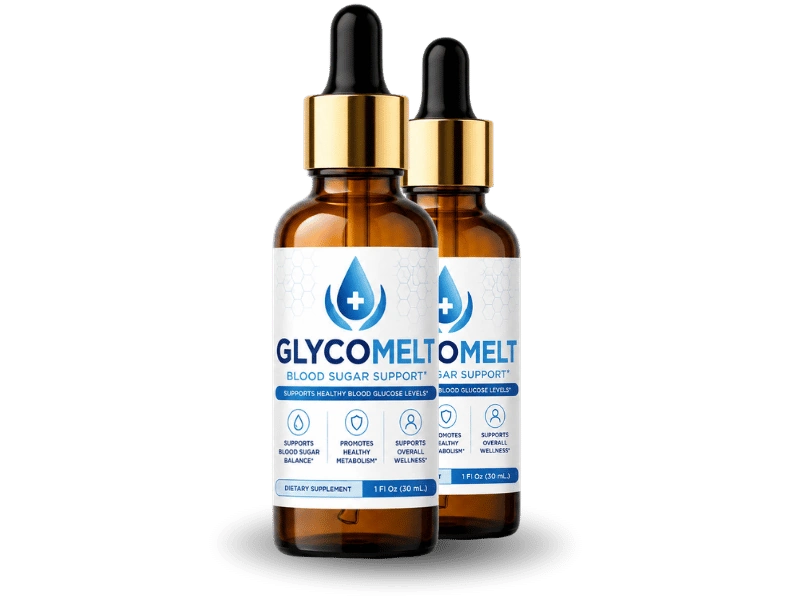
- Lowest per-bottle rate
- Includes the 5 digital bonuses
- 60-day guarantee
Struck-through figures are the seller's own stated reference prices and are not evidence of a saving. "See Details" opens our pricing page, which links to the official checkout. We may earn a commission at no extra cost to you. GlycoMelt is a dietary supplement and is not intended to diagnose, treat, cure or prevent any disease.
Pricing, and What to Settle First
Some readers will weigh all of this and decide to try it anyway, which is a legitimate choice to make with the facts in hand. Our pricing page carries the current figures, the claims we could not verify, and the medication conversations to have before you start.
Pricing and Safety Checks →