Gymnema Sylvestre: The Sugar Destroyer
Gymnema is the ingredient most closely associated with blood sugar supplements, and it has one genuinely well-documented effect that is worth understanding properly.
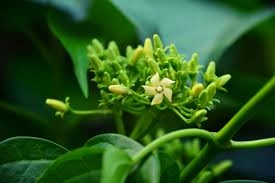
What it is
A woody climbing plant native to India and parts of Africa and Australia, used in Ayurvedic practice for a very long time. Its Hindi name, gurmar, translates roughly as sugar destroyer — which is the origin of the phrase that appears in nearly every product page featuring it.
The effect that earned the name
This is genuinely interesting and well documented. Compounds in Gymnema called gymnemic acids temporarily suppress the perception of sweetness. Chew a leaf or hold an extract on the tongue and sugar tastes of very little for a period afterwards — not unpleasant, just flat.
The mechanism is thought to involve the gymnemic acids interacting with sweet taste receptors, which have a structural similarity to glucose. It is a real, reproducible phenomenon rather than a marketing story.
The important qualification
Suppressing sweet taste is not the same as affecting blood sugar. It is a taste effect. The plausible connection is behavioural — if sweet things are less appealing, some people may eat fewer of them — which is a genuine but indirect route, and it depends on the extract reaching your tongue rather than being swallowed in a capsule.
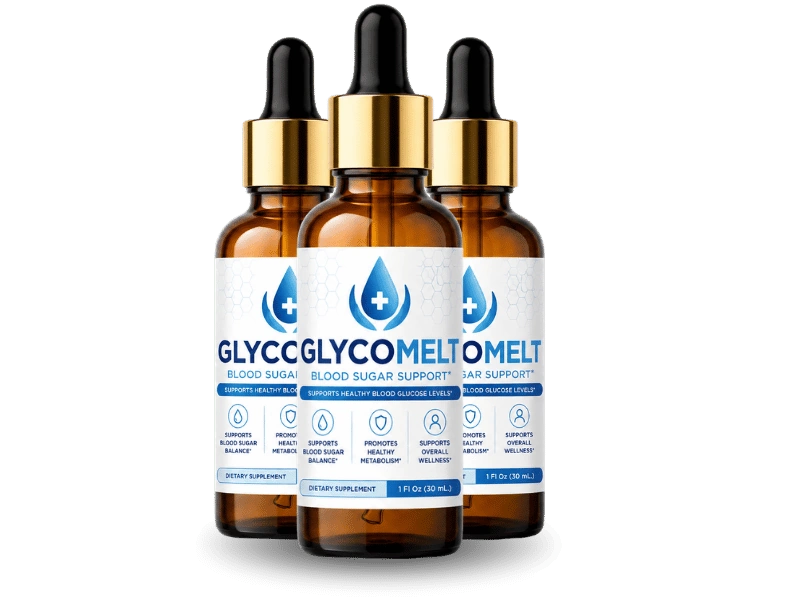
A liquid dropper format, as here, would at least put the extract in contact with the tongue, which is a small point in its favour.
The blood sugar research
Beyond taste, Gymnema has been studied in relation to glucose absorption in the intestine and to pancreatic function. Some of this research is encouraging and much of it is old, small, or conducted in ways that would not meet modern standards.
The honest position is that Gymnema is among the more plausible botanicals in this space, with an evidence base that is suggestive rather than settled.
Where this product leaves it
Unassessable, like everything else here. The studies used particular extracts at particular doses, often standardised to a stated gymnemic acid content. Without a published amount or standardisation, there is no way to relate this product to that research.
Safety
- Glucose-lowering medication. Gymnema may lower blood glucose, so the additive effect applies here as with berberine. Discuss before starting.
- Monitoring. Anyone on medication who starts a Gymnema-containing product may want to check readings more frequently at first.
- Pregnancy and breastfeeding. Insufficient safety data; generally avoided.
- Surgery. Usually stopped beforehand because of possible effects on blood glucose. Tell your surgical team.
A note on the cravings claim
Reduced sugar cravings is one of the more prominent claims on the reference page, and it is one of the better-founded ones — provided it is understood as a taste effect with a behavioural consequence rather than a metabolic one. That distinction rarely survives into marketing copy, but it is the accurate version.
Sources
Also on the panel
Pricing, and What to Settle First
Some readers will weigh all of this and decide to try it anyway, which is a legitimate choice to make with the facts in hand. Our pricing page carries the current figures, the claims we could not verify, and the medication conversations to have before you start.
Pricing and Safety Checks →