Berberine: The Evidence and the Interactions
If you read only one ingredient page on this site, make it this one — not because berberine is the weakest ingredient, but because it is the strongest and the most consequential.
What it is
An alkaloid found in several plants including barberry, goldenseal and Oregon grape. It is intensely yellow, has a long history in both Chinese and Ayurvedic traditions, and has attracted more modern research than most botanical supplement ingredients.
Why it is taken seriously
Berberine has been studied in relation to glucose metabolism, insulin sensitivity and lipid parameters, and the research base is genuinely more substantial than that behind most ingredients marketed for blood sugar. Proposed mechanisms involve cellular energy-sensing pathways and effects on glucose handling in the liver and gut.
This is not a fringe ingredient. It is one that clinicians and researchers take seriously enough to investigate properly, which is exactly why the interaction profile deserves equal attention.
The problem here is not the ingredient
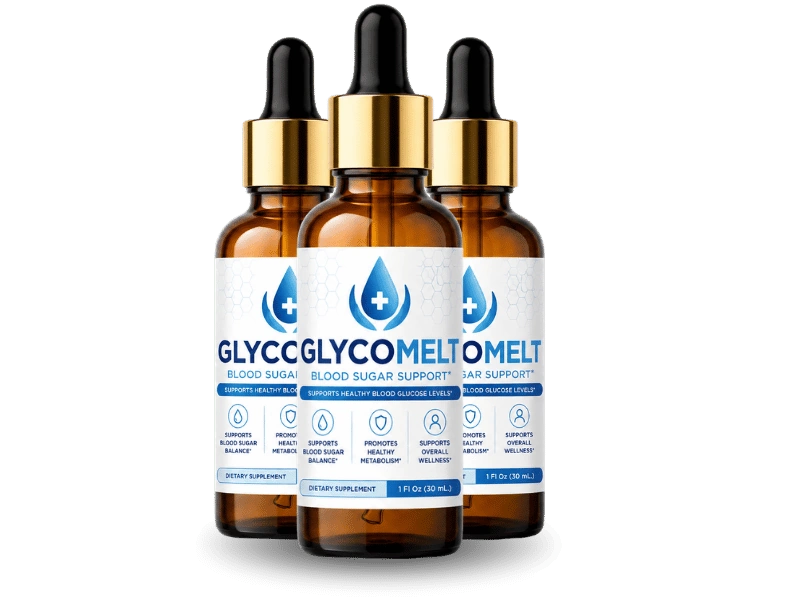
It is that no amount is published. Research on berberine used specific doses. Without knowing what is in this bottle, that research cannot be connected to this product — and berberine is expensive relative to many botanical extracts, which makes the amount a fair question.
The interaction with glucose-lowering medication
Berberine's effect on glucose metabolism is the reason it is in the formula and the reason it needs supervising. Taken alongside metformin, a sulfonylurea, insulin or any other glucose-lowering medication, the effects can add together.
The consequence is an increased risk of hypoglycaemia — blood sugar dropping too low. That is not a hypothetical concern in someone already medicated, and it is the specific reason we ask people on medication to have this conversation before ordering rather than after.
The wider interaction profile
This is the part that surprises people. Berberine affects enzymes and transporters the body uses to process a very wide range of medicines — the same systems behind many well-known drug interactions.
The practical effect is that berberine can raise blood levels of medicines with no connection to diabetes at all. Your dose has not changed; how much of it stays in your bloodstream may have.
This matters most for medicines with a narrow margin between an effective dose and a harmful one. Only a pharmacist reading your actual list can tell you whether that applies to you, and it is a free conversation.
Pregnancy and breastfeeding
Berberine is generally advised against in pregnancy and breastfeeding, with a specific concern relating to newborns. This is a standard caution rather than a marginal one. If you are pregnant, trying to conceive or breastfeeding, do not take this or any berberine-containing supplement without medical advice.
Tolerability
The most commonly reported effects are gastrointestinal — cramping, diarrhoea, constipation. These are usually dose-related and are the main reason people stop taking it.
An honest summary
Berberine is a real compound with real effects and a real evidence base. Those are the same properties that make it a genuine interaction risk. An ingredient strong enough to be worth taking is strong enough to matter alongside your medication — and the fact that its amount here is unpublished cuts both ways, since you can establish neither the benefit nor the size of the risk.
Sources
Pricing, and What to Settle First
Some readers will weigh all of this and decide to try it anyway, which is a legitimate choice to make with the facts in hand. Our pricing page carries the current figures, the claims we could not verify, and the medication conversations to have before you start.
Pricing and Safety Checks →