What a Supplement Label Should Tell You
A Supplement Facts panel is not decoration. It is the only part of a supplement's packaging with rules behind it, and knowing what belongs on one makes an absent panel much easier to interpret.
1. Serving size and servings per container
At the top of the panel. Everything listed below is per serving, so this number governs the entire panel. For a liquid it will be a volume — a millilitre count or a number of dropper-fulls.
Multiply serving size by servings per container and you know how long a bottle lasts. Divide the price by servings and you have cost per day, which is the only way to compare two products fairly.
2. An amount for every active ingredient
Each ingredient with a figure beside it, in milligrams, micrograms or grams. This is the core of the panel and the reason it exists.
Without it, no assessment is possible. You cannot compare against research, cannot judge value, and cannot evaluate risk — which matters most for ingredients that interact with medication.
3. Standardisation, for botanical extracts
The detail most people never look for and arguably the most useful. It appears in brackets after an extract name, giving the percentage of a named active compound.
"Green tea extract, 400 mg" tells you the weight of extract. "Green tea extract (50% EGCG), 400 mg" tells you there is 200 mg of the compound the research is about. Watch also for ratio extracts written as 4:1 or 10:1 — these describe manufacturing concentration and cannot be converted into an active content.
4. Daily Value percentages where they exist
For vitamins and minerals with established reference intakes, the panel shows what proportion of the daily value a serving provides. Chromium has one; most botanicals do not, and their rows carry a footnote saying so.
This is useful precisely because it lets you distinguish a nutritional amount from a much larger supplemental dose.
5. The other ingredients line
Below the panel, in smaller type, and frequently the most consequential line for the reader. Capsule material lives here — gelatin is not vegetarian. So do allergens, preservatives, sweeteners, and the carrier or solvent in a liquid product.
What an absent panel means
A Supplement Facts panel is required on the product itself. Its absence from a sales page is not a labelling violation — but it does mean you are being asked to buy before you can see what the rules require the manufacturer to tell you.
The reasonable response is to ask for it. A seller who will not show the panel before purchase has answered a different question quite clearly.
The proprietary blend variation
Sometimes a panel exists but groups several ingredients under an invented name with one combined weight. The individual amounts are then unknowable, and the arithmetic above is closed to you. Occasionally there are legitimate formulation reasons; often the effect is to conceal how little of the expensive ingredient is present.
What to do with all this
Find the panel before buying. Do the multiplication. Compare against what research on the ingredient actually used. If any step is impossible because information is missing, that absence is itself the finding.
Sources
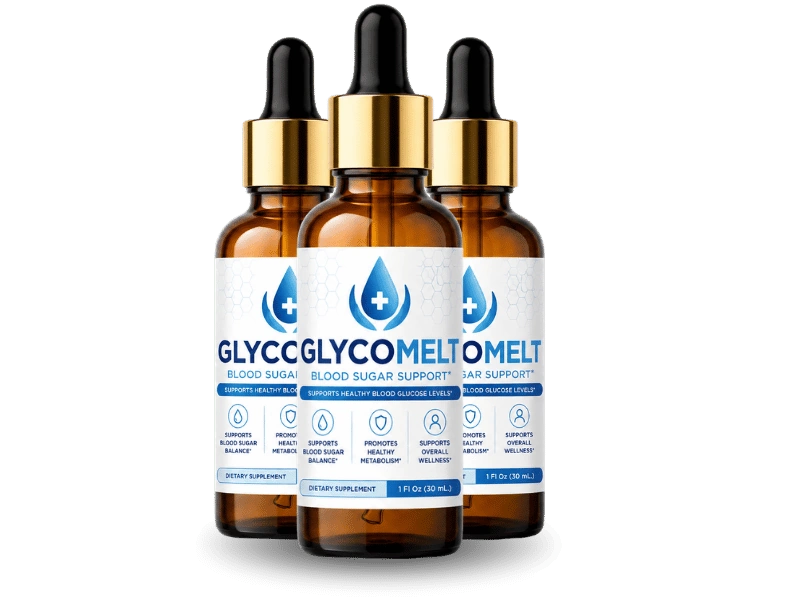
Pricing, and What to Settle First
Some readers will weigh all of this and decide to try it anyway, which is a legitimate choice to make with the facts in hand. Our pricing page carries the current figures, the claims we could not verify, and the medication conversations to have before you start.
Pricing and Safety Checks →