Blood Sugar Supplements and Your Medication
This is the most important page on the site. Blood sugar supplements sit in a different risk category from most others, because the people most likely to buy them are frequently already taking medication that does the same thing.
The short version
Several ingredients named in GlycoMelt may lower blood glucose. If you are also taking medication that lowers blood glucose, those effects can add together. The result can be hypoglycaemia — blood sugar falling too low — which is a medical problem in its own right.
This does not mean the combination is forbidden. It means it needs to be a decision made with your doctor or pharmacist, who may want to monitor you more closely or adjust something. What it must not be is a decision made alone.
Why this category is different
A joint supplement bought by someone with sore knees is unlikely to interact with anything they take. A blood sugar supplement is different: a large proportion of the people buying it have prediabetes or type 2 diabetes, and many are on metformin, a sulfonylurea, a GLP-1 medication or insulin.
So the interaction question is not a theoretical footnote here. It is the central practical consideration.
The ingredients that may lower blood glucose
Berberine. The most studied of them, and the one with the most substantial effect on glucose metabolism. Combined with glucose-lowering medication, additive effects are plausible.
Gymnema Sylvestre. Traditionally used in relation to blood sugar and studied for effects on glucose absorption and metabolism.
Chromium. An essential trace mineral involved in carbohydrate metabolism, studied in relation to insulin function.
Others named in the formula, including Coleus Forskohlii, ginseng and green tea extract, have all been examined in relation to metabolic parameters.
Because no amounts are published, the size of any such effect from this particular product cannot be estimated. That uncertainty is itself a reason for caution rather than a reason to relax.
Berberine's other interactions
Berberine deserves separate treatment because its interactions extend well beyond blood sugar.
It inhibits enzymes and transporters the body uses to process a wide range of medicines — the same systems responsible for many well-known drug interactions. The practical effect is that berberine can raise blood levels of medicines that have nothing to do with diabetes, effectively increasing their dose without any change in what you take.
This matters most for medicines where the gap between an effective dose and a harmful one is narrow. A pharmacist reading your actual list is the right person to assess it.
Berberine in pregnancy and breastfeeding
Berberine is generally advised against during pregnancy and breastfeeding. There is a specific concern relating to newborns, and it is a standard caution rather than a marginal one. If you are pregnant, trying to conceive, or breastfeeding, this is not a supplement to take without medical advice.
Recognising hypoglycaemia
If you take glucose-lowering medication, you may already know these. If you are new to it, they are worth learning before adding anything to your routine.
- Shakiness or trembling
- Sweating, sometimes with clamminess or pallor
- Sudden hunger
- Dizziness or light-headedness
- Fast or pounding heartbeat
- Confusion, difficulty concentrating, irritability or unusual mood change
- Tingling around the lips
- Blurred vision
Severe hypoglycaemia — confusion severe enough to prevent self-treatment, seizures, or loss of consciousness — is an emergency. Anyone at risk should have discussed a treatment plan with their care team, and people close to them should know about it.
Other cautions worth raising
Green tea extract. Concentrated green tea extracts have been associated with rare cases of liver injury, a different situation from drinking green tea as a beverage. Symptoms worth acting on include unusual fatigue, nausea, abdominal pain, dark urine, or yellowing of the skin or eyes.
Ginseng. Has documented interactions with anticoagulants, and has been studied in relation to blood glucose.
Coleus Forskohlii. Forskolin lowers blood pressure, which can add to antihypertensive medication and nitrates.
Surgery. Supplements affecting blood glucose or bleeding are generally stopped before planned procedures. Tell your surgical team everything you take, including supplements.
The citrus question. The sales page is inconsistent about whether the formula contains grape seed or grapefruit seed extract. Grapefruit is a name that carries weight in medication conversations. If you take any medication where grapefruit is a stated concern, raise this specifically and ask the manufacturer to confirm in writing which ingredient is present.
The risk that is not about ingredients
The most serious harm in this category rarely comes from an ingredient. It comes from substitution and delay.
Someone who feels better on a supplement and quietly reduces their medication. Someone who treats a supplement as a reason not to see their doctor about rising readings. Someone with undiagnosed symptoms who buys a supplement instead of getting tested. Diabetes complications develop over years without symptoms, which is exactly what makes delay costly.
The rule that covers most of it
Add, never replace. A supplement can sit alongside medical care with your care team's knowledge. It should never quietly take the place of a medication, an appointment or a test.
Questions to ask a pharmacist
All of these are free to ask and take a few minutes at any pharmacy counter.
- I take [your medications] — is there an interaction risk with berberine, Gymnema or chromium?
- Does anything I take have a narrow therapeutic range that berberine could affect?
- Should I monitor my blood glucose more often if I start this?
- What symptoms should prompt me to stop and contact someone?
- Is there anything here I should avoid entirely given my other conditions?
Sources
What GlycoMelt Costs
Priced by the seller and fulfilled through their own checkout. The advertised per-bottle price falls sharply with kit size, so read the total on screen before confirming.
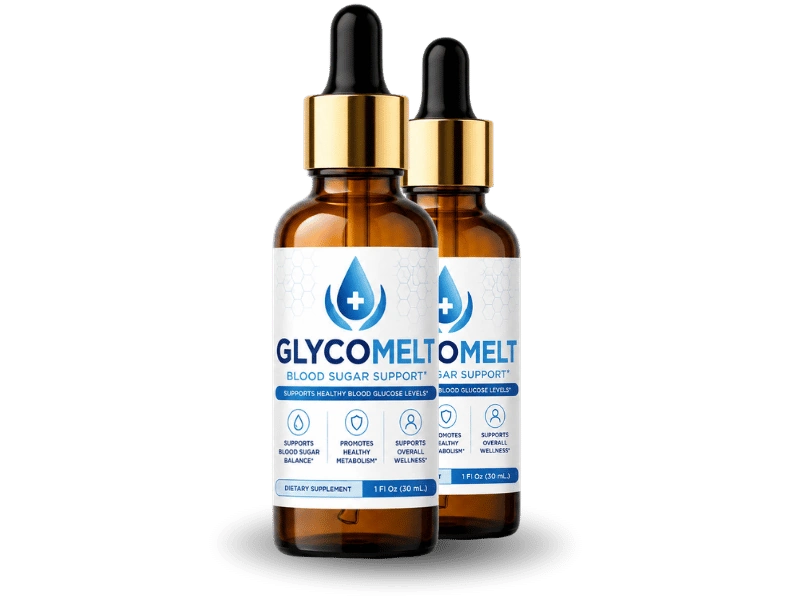
- Lowest per-bottle rate
- Includes the 5 digital bonuses
- 60-day guarantee
Struck-through figures are the seller's own stated reference prices and are not evidence of a saving. "See Details" opens our pricing page, which links to the official checkout. We may earn a commission at no extra cost to you. GlycoMelt is a dietary supplement and is not intended to diagnose, treat, cure or prevent any disease.
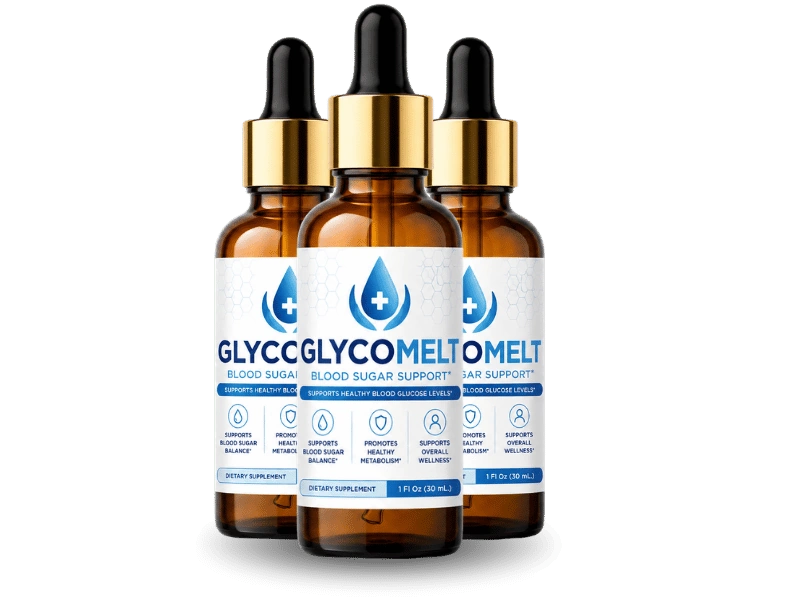
Pricing, and What to Settle First
Some readers will weigh all of this and decide to try it anyway, which is a legitimate choice to make with the facts in hand. Our pricing page carries the current figures, the claims we could not verify, and the medication conversations to have before you start.
Pricing and Safety Checks →